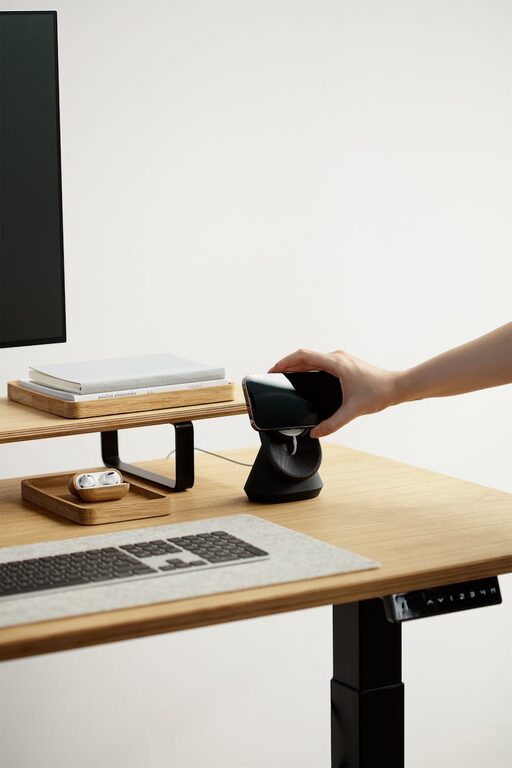







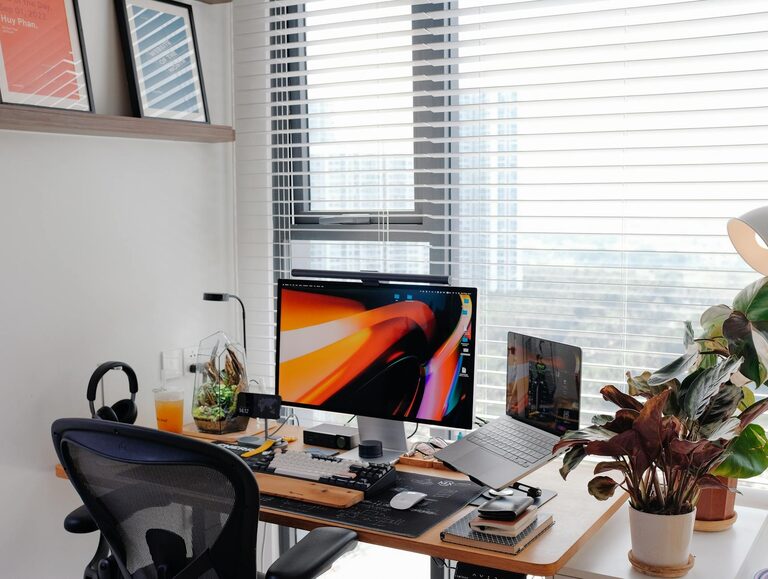
Creating a productive home office space is essential for anyone working remotely or running a business from home. A well-organised and comfortable workspace can improve your focus, boost efficiency, and even enhance your overall wellbeing. In this guide, we will explore practical tips to help you design a home office that inspires productivity and supports your daily work routine.
Choose the Right Location
Selecting the perfect spot for your home office sets the foundation for productivity. Ideally, your workspace should be in a quiet area of your home where you can focus without frequent distractions.
– Separate from high-traffic areas: Avoid placing your desk in busy zones like the kitchen or living room.
– Natural light: A space near a window provides natural light, which can improve mood and reduce eye strain.
– Privacy: If possible, pick a room or corner where you can close the door or use screens to separate your workspace from the rest of the home.
Invest in Ergonomic Furniture
Comfort is key when you spend long hours working. Ergonomic furniture helps prevent discomfort and physical strain.
– Desk: Choose a desk with enough surface area to hold your computer, documents, and other work essentials.
– Chair: Invest in an adjustable office chair with good lumbar support to maintain proper posture.
– Accessories: Consider a keyboard tray, monitor stands, or footrests to keep your setup comfortable and aligned.
Keep Your Workspace Organised
Clutter can negatively impact concentration, so maintaining an organised workspace is important.
– Storage solutions: Use shelves, filing cabinets, or desk organisers to keep supplies and paperwork tidy.
– Daily tidying: Spend a few minutes at the end of each day clearing your desk and preparing for the next.
– Cable management: Use clips or cable sleeves to keep wires neat and out of the way.
Optimise Lighting
Proper lighting can reduce eye strain and help maintain your alertness during work.
– Natural light: Make the most of daylight, positioning your desk so light falls from the side rather than directly in front or behind your screen.
– Task lighting: Use adjustable desk lamps to brighten your work area when needed.
– Avoid glare: Use blinds or curtains to reduce direct sunlight glare on screens.
Personalise Without Distractions
Adding personal touches can make your office feel welcoming and motivating, but avoid overdoing it.
– Plants: Small indoor plants can improve air quality and create a calming atmosphere.
– Artwork: Choose inspiring but minimal artwork that doesn’t clutter your visual space.
– Colour scheme: Use colours that support productivity, like blues or greens, rather than overly bright or distracting patterns.
Establish a Routine
A consistent schedule helps your brain switch into work mode and develop habits that encourage productivity.
– Set working hours: Define clear start and finish times to separate work from home life.
– Breaks: Take regular short breaks to stretch, hydrate, and refresh your mind.
– Morning rituals: Beginning your day with a routine, such as a coffee or a brief walk, prepares you mentally for work.
Minimise Distractions
Reducing interruptions contributes significantly to staying focused.
– Technology: Turn off non-essential notifications on your devices during work hours.
– Household rules: Communicate your working hours and needs for quiet to family or housemates.
– Background noise: Use noise-cancelling headphones or ambient sound apps if background noise is unavoidable.
Use Technology to Your Advantage
Utilise tools and apps that help organise tasks and communicate efficiently.
– Task management: Apps like Trello or Asana help you keep track of to-dos and deadlines.
– Communication: Video conferencing and chat tools keep you connected with colleagues and clients.
– Time tracking: Tools such as Pomodoro timers encourage focused work periods followed by breaks.
Prioritise Health and Wellbeing
Your physical and mental health affects productivity. Take steps to care for both in your home office.
– Movement: Incorporate stretches or brief exercise breaks during your day.
– Hydration and nutrition: Keep water and healthy snacks nearby to maintain energy.
– Air quality: Ventilate your workspace regularly and consider an air purifier if necessary.
Review and Adapt Your Setup
Your needs may change over time, so regularly assess your home office and make improvements.
– Comfort check: Notice any discomfort and adjust furniture or equipment as needed.
– Workflow assessment: Reflect on what helps or hinders your productivity and alter your environment or routine accordingly.
– Stay flexible: As work patterns evolve, stay open to experimenting with new layouts or technology.
—
Creating a productive home office is about more than just choosing a desk; it involves thoughtful planning, comfort, organisation, and balance. By following these tips, you can build a workspace that supports your professional goals while allowing you to enjoy the convenience of working from home.