






Creating a cosy and inviting home workspace is essential for maintaining focus and comfort throughout your workday. Whether you’re working remotely full-time or just need a dedicated spot for occasional tasks, a well-designed workspace can make a big difference in your productivity and overall wellbeing.
In this guide, we’ll explore simple and effective ways to transform any corner of your home into a warm, inviting, and efficient work area.
Why a Cosy Workspace Matters
A workspace that feels welcoming and comfortable encourages you to spend time there without feeling drained or distracted. Cosiness doesn’t mean clutter or distractions, but rather a sense of calm and personal touch that helps you concentrate while enjoying the environment.
Choose the Right Location
Selecting the right spot in your home is the first step to a great workspace.
– Natural light: Try to position your desk near a window. Natural daylight improves mood and reduces eye strain.
– Quiet area: Choose a space away from household noise and distractions.
– Sufficient space: Make sure there is enough room for your computer, paperwork, and other essentials.
Invest in Comfortable Furniture
Comfortable and ergonomic furniture is key to working healthily and happily.
– Ergonomic chair: Invest in a chair with adjustable height and lumbar support.
– Desk height: Your desk should allow your arms to rest at a 90-degree angle when typing.
– Footrest: Consider a footrest if your feet don’t comfortably reach the floor.
Add Personal Touches
Personalising your workspace can make it more inviting without overcrowding.
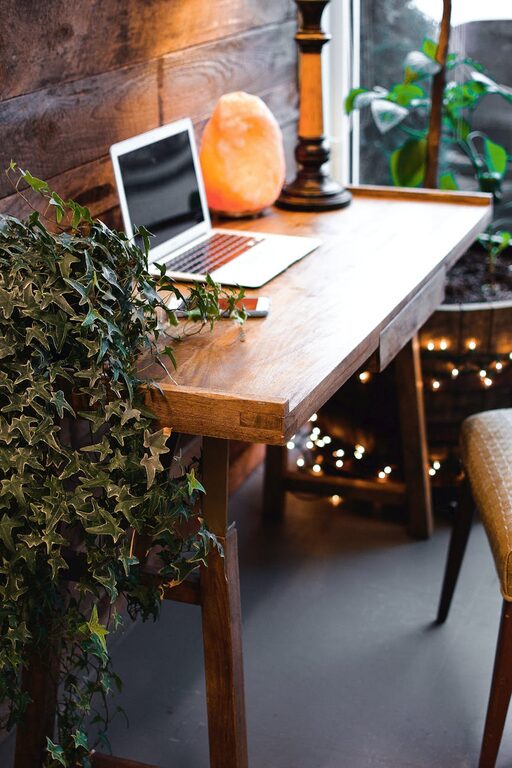
– Plants: Adding greenery brings life to your workspace and improves air quality.
– Photos or artwork: Choose items that inspire or soothe you.
– Decorative but functional items: Use stylish organisers or desk lamps to blend style with practicality.
Organise Efficiently
An organised space reduces stress and saves time.
– Declutter regularly: Keep only what you need on your desk.
– Storage solutions: Use shelves, drawers, or boxes to store paperwork and supplies neatly.
– Cable management: Use clips or ties to keep wires tidy.
Manage Lighting
Good lighting is vital, especially when working into the evening.
– Combine natural and artificial light: Use desk lamps with adjustable brightness alongside daylight.
– Avoid glare: Position monitors and lamps to minimise reflection.
– Soft lighting: Warm white bulbs create a cosy atmosphere.
Use Colour Wisely
Colours can affect your mood and productivity.
– Calming colours: Soft blues, greens, and neutrals promote focus and relaxation.
– Accent colours: Use brighter shades sparingly to add energy.
– Consistent palette: Keep furniture and decoration colours harmonised for a cohesive look.
Maintain Good Air Quality
A fresh environment promotes wellbeing and alertness.
– Ventilate regularly: Open windows when possible.
– Houseplants: Besides decoration, they help purify the air.
– Air purifier: Consider a small air purifier if ventilation is limited.
Create Zones for Different Activities
If space allows, design specific areas for different tasks.
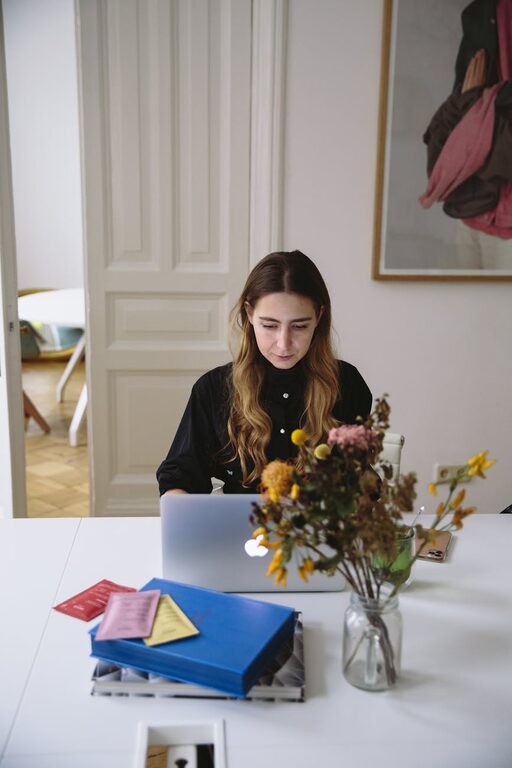
– Focus zone: Main desk area for deep work.
– Creative zone: Small table or corner for brainstorming or sketching.
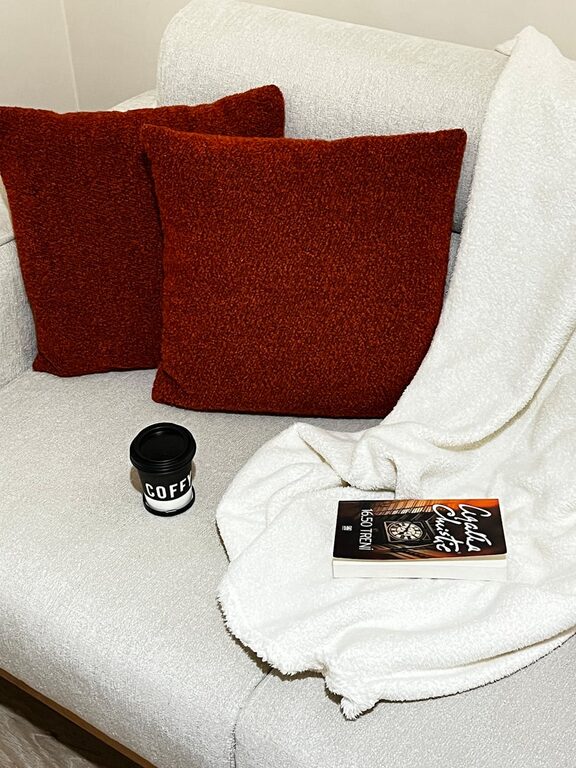
– Relaxation corner: A comfortable chair or cushion spot for breaks and reading.
Set Boundaries for Work-Life Balance
Especially when working from home, clear boundaries help you disconnect after work.
– Defined workspace: Use room dividers or rugs to distinguish your work area.
– Routine: Start and finish work at set times.
– Visual cues: Closing laptop or turning off desk lights signals the end of the day.
Maintain Your Workspace Daily
Small habits keep your space inviting and efficient over time.
– Tidy up at the end of the day: Clear your desk to start fresh in the morning.
– Review supplies weekly: Restock essentials before they run out.
– Adjust setup seasonally: Change lighting or arrangement to suit your needs through the year.
—
By following these tips, your home workspace can become a cosy haven that supports your productivity and wellbeing. Remember, your workspace should reflect your personal style and needs—take time to make it truly yours. Happy working!