






Creating a comfortable and efficient workspace at home is more important than ever. Whether you work remotely full-time or occasionally bring work home, having a designated area that encourages focus and relaxation can greatly improve your experience. The right setup not only helps you stay productive but also supports your wellbeing. Below, you’ll find practical tips to help you design a home workspace that feels inviting and works well for your needs.
Why a Well-Designed Home Workspace Matters
Spending long hours in an unfriendly or cluttered environment can cause distractions, stress, and fatigue. A well-planned workspace helps you:
– Concentrate better and complete tasks more efficiently
– Reduce physical discomfort and fatigue
– Create a clear boundary between work and leisure
– Improve your overall mood and motivation
Choosing the Right Spot in Your Home
Find a Quiet Area
Select a space with minimal noise and foot traffic. If possible, choose a room or a corner away from busy areas such as the kitchen or living room. This helps reduce interruptions and keeps you focused.
Prioritise Natural Light
Natural light can significantly boost your mood and alertness. Position your desk near a window but avoid direct glare on your screen. If natural light is limited, invest in good quality lighting that mimics daylight.
Consider Space and Privacy
Think about how much room you need for your equipment and documents. Choose a spot where you can comfortably sit and move without feeling cramped. If privacy is a challenge, using room dividers or noise-cancelling headphones can help.
Setting Up Your Workspace Ergonomically
Invest in a Comfortable Chair
Your chair should support your back well and allow your feet to rest flat on the floor. An adjustable chair helps you maintain a healthy posture throughout the day.
Position Your Desk and Screen Correctly
Set your monitor at eye level to avoid neck strain. The screen should be about an arm’s length away. Keep your keyboard and mouse within easy reach to prevent shoulder tension.
Organise Your Desk Layout
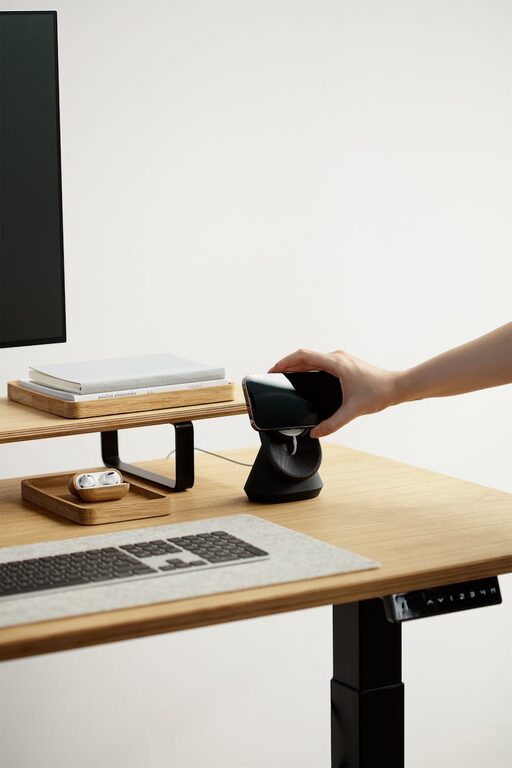
Keep frequently used items like notepads, pens, and chargers within easy reach. A clutter-free desk reduces distractions and stress.
Enhancing Comfort and Relaxation
Introduce Soothing Colours
Soft colours like light blues, greens, or neutral shades can create a calming environment. Consider painting the walls or adding decor in shades that help you relax.
Add Personal Touches
Including a few personal items such as plants, photos, or artwork can make the space more inviting without overwhelming it. Plants, in particular, improve air quality and have a calming effect.
Maintain Good Air Quality
If possible, keep a window open or use an air purifier to ensure fresh air flows into your workspace. Good ventilation helps keep your mind alert and reduces fatigue.
Practical Tips for Staying Productive
Use Adequate Lighting
Alongside natural light, task lighting is essential when working in the evening or on cloudy days. A desk lamp with adjustable brightness is ideal.
Implement Organisational Systems
Use shelves, filing cabinets, or desktop organisers to keep documents and supplies tidy. Label storage areas to save time searching for items.
Incorporate Breaks and Movement
Set reminders to take short breaks every hour. Stretching or a quick walk can refresh your mind and reduce tension from sitting too long.
Limit Distractions
Turn off notifications on devices not related to work and use apps that block distracting websites during work hours.
Maintaining Your Workspace
Daily Tidy-Up
Spend a few minutes at the end of each day putting things away and clearing your desk. A neat workspace helps you start fresh each morning.
Regular Deep Cleaning
Every week or two, dust surfaces, clean your keyboard and mouse, and vacuum or mop the floor. Cleanliness contributes to a pleasant working environment.
Update and Improve
Reassess your setup periodically to identify any changes that could enhance your comfort or efficiency. Small adjustments can have a big impact.
Conclusion
Creating a home workspace that balances relaxation and productivity is achievable with thoughtful planning and simple changes. By selecting the right location, focusing on ergonomics, adding calming elements, and maintaining a tidy and organised environment, you set yourself up for better focus and wellbeing. Remember, your workspace should support your work style and personal comfort—tailor it to suit your needs and enjoy the benefits of working from home with ease.